Palliative care provides comfort and improves quality of life for those with serious illnesses by addressing symptoms and supporting families. This article outlines what palliative care involves, who benefits from it, and how it fits within the broader healthcare spectrum.
Key Takeaways
Palliative care is a comprehensive, patient-centered approach designed to alleviate symptoms, improve quality of life, and reduce stress for patients at any stage of a serious illness, alongside curative treatments.
Unlike hospice care, which is for the terminally ill, palliative care is available at any point during an illness and involves a team of health specialists working collaboratively to address the patient’s physical, emotional, and spiritual needs.
Accessing palliative care can be done through various settings beyond hospitals, like home or outpatient clinics, and is covered by insurance plans, although it’s important to understand individual coverage.
Defining Palliative Care: A Comprehensive Approach
Compact in size yet large of heart, Hospice of the North Coast provides an array of programs and services to the terminally ill, their families and the community
Have you ever pondered the true meaning of palliative care? It is like a comforting blanket wrapped around patients with a serious illness, aimed at easing their symptoms and reducing stress. The goal is to improve the life of the patient and their family, making the journey through illness less daunting and more manageable. But who are the potential beneficiaries of this specialized medical care? Essentially, anyone with a serious, complex, progressive, or life-threatening illness, including children and adults.
Moreover, treatments aimed at curing or treating a disease can harmoniously coexist with palliative care. The uniqueness of palliative care lies in its patient-centric approach, focusing on both the patient’s needs and their prognosis. It acts as an ally to other treatments like chemotherapy and radiation, complementing the care provided by other medical professionals.
Rather than being a last resort, palliative care is an active component of a patient’s healthcare journey, providing indispensable support and relief during a serious illness.
The Role of Palliative Care in Serious Illness
Consider palliative care as a trustworthy friend guiding patients through the turbulent voyage of a serious illness. But how exactly does it help? It addresses the dual challenges of symptom management and pain alleviation. As the disease advances, palliative care steps in to alleviate physical discomfort and enhance the patient’s well-being, ensuring their journey is as comfortable as possible.
Beyond physical relief, palliative care also has a profound impact on the emotional terrain. It lessens the suffering of patients by effectively managing symptoms, which in turn improves the quality of life for patients and their families grappling with serious illness. By treating distressing symptoms, setting care goals, and coordinating care, palliative care helps patients navigate their illness with strength and dignity, improving their overall quality of life.
Palliative Care vs. Hospice Care
Although palliative care and hospice care might appear synonymous, they have unique roles within the healthcare field. Palliative care can be introduced at any stage of a serious illness, offering comfort and symptom management alongside other treatments. On the other hand, hospice care specifically caters to those nearing the end of life, focusing on managing pain and symptoms without pursuing curative treatments.
So, when does one qualify for hospice care? Hospice care steps in when:
a doctor confirms a terminal illness.
the patient is expected to live less than six months if the disease follows its normal course.
the patient or their family decides to halt curative treatments due to the burden of care or suffering.
While both palliative and hospice care aim to provide comfort and improve the quality of life, their timing and focus differ, offering tailored support based on the stage and severity of the illness.
Palliative Care Team: Who's Involved?
Compact in size yet large of heart, Hospice of the North Coast provides an array of programs and services to the terminally ill, their families and the community
While the journey through a serious illness can be daunting, it is not a path you must tread alone. A palliative care team is like a band of healthcare heroes, each with their unique superpower, working together to support both the patient and their family. This specially trained team is made up of doctors, nurses, and other specialists who collaborate to provide an extra layer of support, ensuring that the patient’s journey is as comfortable and dignified as possible.
A palliative care team is not a one-size-fits-all ensemble. It is a diverse group of healthcare providers. This team works in harmony, promoting compassion and teamwork to ensure the patient receives holistic care tailored to their unique needs.
Collaborative Care Approach
The allure of palliative care stems from its collective approach. It is like an orchestra, where each healthcare professional plays a unique instrument, and together they create a symphony of care for the patient. The team of palliative care specialists could consist of:
a general practitioner or family doctor
a nurse practitioner
nurses
social workers
chaplains
counselors
But how does this diverse team collaborate to guarantee optimal care for the patient? Through open communication, efficient systems, and a common goal: to support the patient and their loved ones. They take a holistic approach, setting care goals and working as a team to manage symptoms and improve the quality of life. Each team member brings their expertise to the table, ensuring that all aspects of the patient’s well-being are considered and addressed.
Supporting Family Members
Amidst the turmoil of a severe illness, family members frequently shoulder emotional strain and logistical hurdles. Palliative care does not overlook this vital aspect. It steps in to offer:
Emotional support
Help family members understand the disease process.
Provide resources for practical assistance, like assisting with household chores or respite care.
Palliative care teams stand by families, identifying those at risk for experiencing high levels of distress and providing them with the support they need. They also assist family caregivers by:
Balancing their roles
Offering outpatient geriatric evaluation and management
Prioritizing their well-being, ensuring they are not left to navigate this challenging journey alone.
When to Seek Palliative Care: Timing Matters
Compact in size yet large of heart, Hospice of the North Coast provides an array of programs and services to the terminally ill, their families and the community
In the realm of palliative care, timing holds paramount importance. Palliative care can be beneficial at any stage of a serious illness, and early intervention can help manage symptoms, improve quality of life, and assist with decision-making. It is best to consider palliative care as early as the time of diagnosis so that symptoms can be managed, quality of life can be improved, and the patient can receive help with decision-making. It is not advisable to wait until the disease worsens or the patient is near the end of life to connect them with palliative care.
By recognizing the need for palliative care early, patients can manage their symptoms more effectively, and palliative care improves quality of life.
Identifying the Need for Palliative Care
Recognizing the requirement for palliative care is as crucial as the care itself. Decisions about initiating palliative care are based on the patient’s needs, like relieving symptoms and reducing stress, rather than solely on the patient’s prognosis. It is for anyone, at any age, and at any stage of a serious illness, and can be provided alongside curative treatments.
Medical conditions can include serious illnesses like:
cancer
heart failure
lung diseases
kidney failure
dementia
HIV/AIDS
ALS
chronic liver disease
multiple sclerosis
Parkinson’s disease
These serious illnesses often necessitate palliative care. Recognizing the need for such care is the first step towards ensuring patients receive the comprehensive support they need.
Initiating Palliative Care Conversations
Transparent communication forms the bedrock of effective healthcare, a fact that holds especially true in palliative care. The topic of palliative care can often be difficult to broach due to fear, lack of knowledge, or the emotional burden associated with serious illness. However, initiating these conversations is crucial for ensuring that patients receive the care they need.
Communication about palliative care can start with understanding the patient’s needs and preferences, being honest about uncertainties, avoiding giving false hope, and facilitating dialogue between all parties involved. Patients and their families can request a referral for palliative care services and explore online directories and resources to find local palliative care providers.
The Many Benefits of Palliative Care
Compact in size yet large of heart, Hospice of the North Coast provides an array of programs and services to the terminally ill, their families and the community
The advantages of palliative care surpass the realm of medical management. It offers emotional support, working with loved ones, hearing patient stories, and providing counseling. It also provides practical assistance, such as help with managing healthcare costs and legal planning.
Pain management is a key aspect of palliative care. It employs a variety of methods, such as:
mindfulness
meditation
massage
aromatherapy
reflexology
hypnotherapy
By managing symptoms and reducing suffering, palliative care helps patients live full and meaningful lives, supporting them and their families through the challenges of illness and disease.
Emotional and Spiritual Support
The crux of palliative care lies in delivering emotional and spiritual support. Chaplains, social workers and counselors ensure that a patient’s beliefs and values are an integral part of their care plan. They respect religious or cultural practices and help patients find strength through spirituality and hope.
Palliative care teams are also equipped to support patients dealing with grief and fear. They provide emotional support, cater to the patients’ cultural, personal, and spiritual needs, and offer support for the patients’ families. By addressing these needs, they help patients face their illness with dignity and strength.
Practical Assistance
Another vital aspect of palliative care is the provision of practical assistance. It offers interdisciplinary support and resources, such as help with advance directives, making legal planning easier during a serious illness.
Managing the logistics of a serious illness can be overwhelming for patients and their families. Palliative care team’s step in to provide:
Services
Payment models
Care coordination
Extra support
This helps reduce stress and make the journey more manageable.
By offering care management advice, respite support, and help with learning how to care for the patient, palliative care teams ensure that families are not left to navigate this challenging journey alone.
Accessing Palliative Care: Where and How
Compact in size yet large of heart, Hospice of the North Coast provides an array of programs and services to the terminally ill, their families and the community
The scope of palliative care is not limited to the confines of a hospital. It can be accessed in various settings, including:
Nursing homes
Outpatient palliative care clinics
Specialized clinics
In the comfort of the patient’s home
As for the financial aspect, most private insurance plans, Medicare, and Medicaid usually cover palliative care services, making it financially accessible to many people.
If you or your loved ones are in need of our compassionate services, we're here for you! For more information, please contact us at 📞 760.431.4100 Or 🌐 Click here
Navigating Insurance Coverage
Comprehending the insurance coverage for palliative care services is vital for availing these services. Most private insurance plans, along with Medicare and Medicaid, usually cover palliative care services. However, it is essential to understand the specifics of coverage, as health plans might not cover some services typically included in hospice benefits. Insurance terms can also limit the scope of palliative care, such as the types of illnesses that qualify for it. It is advisable to check with your insurance provider to understand what is covered under your plan.
Connecting with Palliative Care Providers
Building a relationship with palliative care providers can be a straightforward process. The first step is to have a conversation with your regular doctor and express your interest in palliative care. They can provide a referral to palliative care services.
If your healthcare provider cannot give a referral, do not worry. Resources like GetPalliativeCare.org can help you find palliative care providers or feel free to give us a call, at 760.431.4100 and we will be delighted to assist with any inquiries you may have. With these resources and a bit of research, you can find the support you need to navigate your health journey.
Summary
Palliative care is a beacon of hope in the daunting journey of serious illness. It is a specialized medical approach that enhances the quality of life for patients and their families, providing relief from symptoms, stress, and the emotional toll of illness. With a dedicated team of healthcare professionals, palliative care offers a comprehensive approach that addresses physical, emotional, and spiritual needs. By initiating palliative care conversations early, understanding insurance coverage, and connecting with palliative care providers, patients and their families can navigate their healthcare journey with the support they need. Remember, in the face of serious illness, you are not alone - palliative care is here to help.
Frequently Asked Questions
What does it mean when someone is getting palliative care?
Palliative care is specialized medical care for people with a serious illness, aimed at providing relief from symptoms and improving quality of life for the patient and family. It focuses on managing pain and stress associated with the illness, while seeking treatment.
Does palliative mean end of life care?
No, palliative care is broader and can last for a longer duration than just the end of life. It does not necessarily mean that the person is close to death – they can receive palliative care for years.
What is the difference between palliative care and hospice care?
The main difference between palliative care and hospice care is that palliative care can be provided at any stage of a serious illness and while a patient is still choosing curative measures. Hospice care is specifically for those nearing the end of life and have decided to no longer seek aggressive treatment for terminal illness. Both focus on improving the quality of life.
When should one consider palliative care?
You should consider palliative care at any stage of a serious illness, and it is advisable to think about it as early as the time of diagnosis. Early consideration allows for better management of symptoms and holistic support. If you or your loved ones require compassionate palliative care services, we are here to help! For more information, please reach out to us at 📞 760.431.4100.
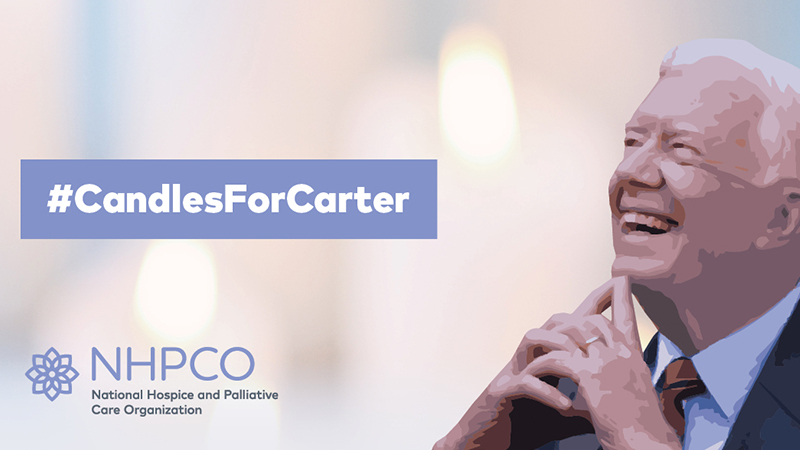
As February 18, 2024, marks one year since former President Jimmy Carter began receiving hospice care at home, it's a poignant moment to reflect on the profound impact of this decision. President Carter and his family have generously shared their experience, shedding light on the invaluable support hospice care provides during the final stages of life. Spearheading this change in awareness aligns with the Carters' lifelong commitment to public health, echoing the compassionate efforts championed by organizations like Hospice of the North Coast, in alignment with NHPCO (National Hospice and Palliative Care Organization). President Carter's journey serves as a testament to the power of hospice care in honoring individual values and preferences, ensuring comfort and dignity until the very end.
The full story is available on the NHPCO (National Hospice and Palliative Care Organization) website
If you or your loved ones are in need of our compassionate services, we’re here for you! For more information, please contact us at 📞 760.431.4100
Navigating the journey of a loved one with dementia can be daunting, particularly as the disease progresses. Amidst the challenges, the compassion of hospice care for dementia shines as a beacon of hope, offering comfort, dignity, and understanding during life’s final chapter.
Key Takeaways
Hospice care for dementia patients aims to reduce physical and emotional distress, safeguarding dignity and comfort, with a hospice team that includes physicians, nurses, social workers, chaplains, and volunteers.
Hospice services enhance patient comfort with effective symptom and pain management, support family members emotionally and spiritually, and offer advance care planning to uphold patient wishes.
Transitioning from palliative care to hospice becomes pertinent as dementia progresses and the patient meets eligibility criteria, involving comprehensive support that respects the patient’s end-of-life decisions.
Understanding Hospice Care for Patients with Dementia
Hospice care provides specialized support for individuals in the terminal stages of illness, offering assistance to them and their families. For patients with dementia or Alzheimer’s disease, hospice care’s primary objective is to lessen physical and emotional distress while maintaining their dignity and comfort.
What Hospice Care Involves
For patients with dementia, hospice care includes:
A comprehensive assessment of the patient’s state
Regular care plan updates
Minimizing physical and emotional discomfort
Safeguarding the patients’ dignity and comfort
Better symptom control
Improved mood and quality of life
Hospice providers working closely with the patient and their family to ensure the best possible care and support.
Spiritual needs of patients and their families are also attended to, respecting the beliefs, traditions, and customs of the patient.
Who Makes Up the Hospice Team?
The hospice team consists of:
Physicians, providing expert clinical insight and symptom management
Nurses, delivering hands-on care and support
Social workers, addressing psychosocial concerns
Chaplains, offering spiritual assistance
Volunteers, providing additional support and companionship
Each team member plays a critical role in the provision of comprehensive care, contributing to the well-being of the patient and their family.
When Is It Time to Consider Hospice?
Hospice care should be considered when patients with dementia, including those with Alzheimer’s disease, show a significant decline in physical condition, experience increased difficulty with daily tasks, and have been hospitalized frequently. Indicators of late-stage Alzheimer’s disease that may necessitate hospice care include loss of mobility, inability to perform daily tasks independently, severe deterioration of language skills, incontinence, and difficulty swallowing.
The Benefits of Hospice Services for Patients with Dementia
Compact in size yet large of heart, Hospice of the North Coast provides an array of programs and services to the terminally ill, their families and the community
Hospice services offer a range of benefits for hospice patients with dementia, focusing on comfort, family support services, and advance care planning.
Enhancing Patient Comfort
Compact in size yet large of heart, Hospice of the North Coast provides an array of programs and services to the terminally ill, their families and the community
Hospice services improve comfort for patients by addressing physical discomfort and pain through informal caregiver support, pharmacological interventions, and complementary therapies. This focus on enhancing the patient’s physical comfort and effectively managing symptoms is a cornerstone of hospice care.
Support for Family Members
In addition to patient comfort, hospice care provides essential emotional and spiritual support for family members. This includes:
Providing comfort
Ensuring dignity
Offering temporary care
Providing emotional support
Hospice care ensures that the family receives the respite care and guidance they need during this challenging time.
Advance Care Planning
Hospice services also significantly contribute to advance care planning. Social workers and other hospice team members assist families in understanding the progression of the disease and navigating available services, ensuring that the patient’s needs and wishes are respected.
Palliative Care: A Companion to Hospice for Advanced Dementia
Compact in size yet large of heart, Hospice of the North Coast provides an array of programs and services to the terminally ill, their families and the community
Palliative care offers a pathway for patients with advanced dementia who do not meet hospice eligibility criteria, focusing on symptom management and quality of life, including end of life care, while considering their life expectancy.
Scope of Palliative Care
In palliative care, a team of healthcare professionals provides specialized care aimed at enhancing the quality of life for patients, along with providing emotional support for caregivers. The primary goal is to recognize and address troublesome symptoms, offering improved symptom management and quality of life in comparison to standard care.
Transitioning from Palliative to Hospice Care
As the patient’s condition advances and they meet hospice eligibility criteria, they may transition from palliative care to hospice care. This transition involves:
A focus on symptom management
Pain relief
The provision of comprehensive support, including emotional and spiritual care to address caregiver stress and respect the patient’s treatment decisions and end-of-life wishes.
Creating an Individualized Care Plan
Each patient in hospice care receives a personalized care plan, which includes evaluation, cooperation with family caregivers, and consideration of personal preferences.
Assessing the Patient's Condition
The hospice team comprehensively evaluates the patient’s condition, symptoms, and needs in order to develop a personalized care plan. Tools such as the Palliative Care Identification Tools, the Pain Assessment in Advanced Dementia (PAINAD) scale, and the Confusion Assessment Method (CAM) are employed to effectively and precisely evaluate the condition of a patient with dementia.
Collaborating with Family Caregivers
Family caregivers play a substantial role in hospice care, providing over 80% of the care required by their family member with dementia. Their collaboration with the hospice team significantly improves the quality of life and end-of-life experience for their loved one.
Including Personal Preferences
The care plan also takes into account the patient’s personal preferences, values, and cultural beliefs.
The Role of Medical Supplies and Equipment in Hospice Care
Compact in size yet large of heart, Hospice of the North Coast provides an array of programs and services to the terminally ill, their families and the community
Medical supplies and equipment are instrumental in hospice care for patients with dementia, aiding in symptom management and ensuring accessibility.
Managing Symptoms with Medical Equipment
Medical equipment, such as walking aids and specialized mattresses, is used to manage symptoms and enhance patient comfort.
Ensuring Accessibility of Medical Supplies
The hospice team ensures that necessary medical supplies are readily available and accessible for the patient and family caregivers.
Financial Considerations for Hospice Care
Financial considerations for hospice care include understanding Medicare benefits, navigating insurance coverage, and exploring private pay options.
Understanding Hospice Medicare Benefits
Hospice care is covered by Medicare, with specific benefits and coverage guidelines for eligible patients.
Navigating Insurance and Private Pay
Families should review their insurance coverage and explore private pay options to ensure they understand the costs associated with hospice care.
Summary
Through the journey of dementia, hospice care stands as a pillar of compassion and support, enhancing comfort, offering guidance, and ensuring dignity. With a dedicated team, individualized care plans, essential medical supplies, and financial support, each patient receives the care they need during life’s final chapter.
Frequently Asked Questions
What is the life expectancy of a person with dementia in hospice?
It is difficult to predict how long a person with end-stage dementia will live, but most people live with it for 1 to 2 years. Healthcare professionals, like palliative care and hospice care professionals, may provide better insight to families and loved ones.
What are the signs of end stage dementia?
In the final stages of dementia, signs may include severe memory loss, loss of speech, and the inability to perform daily tasks. This can be a difficult and distressing time for both the individual and their loved ones.
When should a dementia patient go on hospice?
Hospice should be considered for the patient with dementia when their physical condition begins to decline, and they have a life expectancy of six months or less if the disease continues in its typical progression. For patients with dementia, it is important to consider hospice care when they are unable to perform basic daily activities without assistance.
What are 3 things to never do with your loved one with dementia?
Never tell your loved one with dementia that they are wrong, argue with them, or ask if they remember something. These actions can cause unnecessary distress and confusion for them.
How does hospice work for patients with dementia?
Hospice involves a team that evaluates the patient's status and updates the care plan as symptoms change. This aims to relieve physical and emotional distress, allowing patients to remain comfortable and maintain their dignity.
If you or your loved ones are in need of our compassionate services, we’re here for you! For more information, please contact us at 📞 760.431.4100
In the intricate tapestry of healthcare, hospice care stands out as a profound and compassionate approach to navigate the delicate final stages of life. More than a medical service, it embodies a philosophy dedicated to cultivating comfort, offering respite, enhancing the quality of life, and providing comprehensive emotional and spiritual support for individuals facing terminal illnesses. This exploration focuses on the exemplary efforts of Hospice of the North Coast, unraveling the goals of hospice care and highlighting its impact on those in need.
Cultivating Comfort at Hospice of the North Coast:
At Hospice of the North Coast, the central goal of cultivating comfort takes precedence in their approach to end-of-life care. Recognizing the physical pain and emotional distress that accompany certain terminal illnesses, the hospice team is committed to creating an environment where patients find solace and ease.
1. Expert Pain Management:
The cornerstone of comfort in hospice care is expert pain management. The interdisciplinary team at Hospice of the North Coast collaborates to ensure patients experience optimal relief from physical discomfort, allowing them to spend their remaining days in comfort.
2. Holistic Approach to Comfort:
Beyond physical pain, the hospice team at Hospice of the North Coast embraces a holistic approach. True comfort extends beyond the absence of physical pain and includes emotional, social, and spiritual well-being, ensuring comprehensive support in all facets of patients' lives.
Offering Respite and Support:
Terminal illnesses cast a wide net of impact, affecting not only individuals but also their families and caregivers. Recognizing this, Hospice of the North Coast places a strong emphasis on offering respite and support to both patients and their support systems.
1. Empowering Caregivers through Education:
Respite is extended to caregivers through ongoing education. Hospice of the North Coast believes that families and caregivers should feel confident providing care to their loved ones, empowering them with the knowledge and skills needed as the terminal illness progresses.
2. Emotional Respite:
The emotional toll of caregiving is profound, and Hospice of the North Coast recognizes the importance of emotional respite. In addition to practical support, the hospice team provides a compassionate space for caregivers to express their feelings, fears, and hopes, ensuring they receive the emotional support needed to navigate this challenging journey.
Enhancing Quality of Life:
In the face of life's inevitable conclusion, hospice care at Hospice of the North Coast seeks not to prolong existence but to enhance the quality of life for those under its care. This involves a personalized approach valuing each individual's unique journey and priorities.
1. Individualized Care Plans:
Hospice of the North Coast understands that each patient's journey is unique. Quality of life is enhanced through individualized care plans that consider specific needs, preferences, and values, allowing patients to continue engaging in activities that bring them joy and fulfillment.
2. Dignified End-of-Life Experiences:
Enhancing quality of life involves ensuring that patients are afforded the dignity and respect they deserve. Open communication about preferences, including end-of-life decisions, allows individuals to shape their final chapters, contributing to a sense of control and peace.
Providing Emotional and Spiritual Support at Hospice of the North Coast:
Recognizing that the journey towards the end of life is not solely a physical experience, Hospice of the North Coast places a strong emphasis on providing emotional and spiritual support. This holistic approach acknowledges the profound impact of emotional and spiritual well-being on the overall experience of patients and their families.
1. Emotional Support:
Coping with a terminal illness involves navigating complex emotional terrain. The hospice team at Hospice of the North Coast includes counselors and social workers who offer emotional support, providing a safe space for individuals and their families to express their feelings and concerns as they navigate this emotional journey.
2. Spiritual Guidance:
Hospice of the North Coast recognizes the diverse spiritual beliefs of individuals and incorporates spiritual guidance into its holistic approach. Chaplains or spiritual counselors are available to provide comfort and support in alignment with the individual's faith or spiritual practices.
Dispelling Misconceptions with Research-Based Evidence:
Hospice care, though often misunderstood, stands as a beacon of compassionate care that neither hastens nor prolongs life. At Hospice of the North Coast, these principles are not just ideals but are grounded in research-based evidence.
1. Not Hastening Death:
A common misconception about hospice care is that it hastens death. On the contrary, hospice care is dedicated to providing the best possible care to enhance the quality of life in the time that remains.
2. Research-Based Evidence:
Numerous studies have demonstrated the positive impact of hospice care on patients' well-being. Contrary to the misconception that hospice accelerates death, research indicates that individuals under hospice care, especially those with certain illnesses, may live longer than those without access to such specialized services.
In the quiet corridors of Hospice of the North Coast, the compassionate goals of hospice care come to life, offering comfort, respite, enhanced quality of life, and comprehensive emotional and spiritual support to individuals facing terminal illnesses. Through ongoing education, personalized care plans, and a commitment to addressing the holistic needs of patients and their families, Hospice of the North Coast serves as a beacon of solace in the face of life's inevitable conclusion. As we unravel the goals and principles of hospice care, let us acknowledge the pivotal role it plays in nurturing dignity and compassion, ensuring that the final journey is marked by comfort, respect, and meaningful connections.
If you or your loved ones are in need of our compassionate services, we're here for you! For more information, please contact us at 📞 760.431.4100
“The bamboo that bends is stronger than the oak that resists.”
– Japanese Proverb
Many people confuse resilience with resistance, and that’s why their idea of the term is far from what it really means. Being resilient does not mean enduring life’s adversities with stoicism, without complaining, or doing more than we can do. Being resilient is more like the qualities of a bamboo: it can bend in a strong wind or storm without breaking and is able to adapt to adverse circumstances, bouncing back even stronger.
The word resilience comes from the Latin word ‘resalire,’ which means springing back or rebounding.
According to the APA (American Psychological Association), resilience is the process and outcome of successfully adapting to complex or challenging life experiences, primarily through mental, emotional, and behavioral flexibility and adjustment to external and internal demands.
In neuroscience, it is said that resilience does not imply accepting and resigning to the disturbing situation; it is the ability to be flexible, endure adversity, and recover from events of great uncertainty and extreme situations that arise in life. Being resilient does not mean that we do not experience emotional stress and suffering but that we will recover from it with more resources and come out stronger.
As we know, life is constantly changing. Buddhist teachings tell us that change is life's only constant and certainty. We cannot control life. However, the good news is that resilience is not a characteristic that one person can possess and another cannot; that is, it is not an exclusive gene that only a few lucky people can acquire; it is an ability that can be cultivated, trained and strengthened over time as if it were a muscle. We all have the potential to develop this skill.
Here are 10 tips for building your resilience:
1. Accept that change is part of life (Radical Acceptance)
Accepting the circumstances you cannot change can help you focus on the events you can alter. Radical acceptance is NOT approval, but rather wholly and totally accepting with our mind, body, and spirit that we cannot change the present situation, even if we do not like it. By accepting things that are out of our control, we prevent becoming stuck in unhappiness, bitterness, anger, and sadness, and we can stop suffering.
Fully accepting what is happening is still challenging and painful, but focusing on what we can control instead of focusing on the things we can’t can be very empowering and liberating. It helps us free up all of the energy we were using to fight reality so we can focus on what we can do, what we need, and on taking care of ourselves.
You can find more resources on radical acceptance at https://dialecticalbehaviortherapy.com/distress-tolerance/radical-acceptance/
2. Schedule regular breaks
Try to incorporate five breaks during the day. Our nervous system needs to return to balance to get out of a state of chronic stress and be able to see reality from a regulated state. This allows us to see reality with more clarity, creativity, and a wide variety of possibilities for action in a given situation. You can set 5 alarms or reminders on your phone so you have time to exercise, drink tea, listen to music, go for a walk, open a window, breathe fresh air, or connect with nature. These regular breaks where you set aside time for yourself are necessary to help you rest and recharge. You don’t need much time; 5 minutes of breathing exercises can regulate your nervous system and prevent burnout.
3. Seek and accept help
It is common for caregivers to say that they do not have time for themselves, therapy, or support until their role of caring for others is over. We cannot effectively care for others if we do not take care of our physical, emotional, and mental health first. For many of us, it is not easy to ask for help, but there are times in life when we all need help, even the most self-reliant people. Be open to the support from your family and friends and ask them for help when you need it. You can ask for help with small things that, in the end, can be a big help, such as paying bills, buying groceries, preparing a meal, or even getting them to look after your patient for a short period of time while you get some rest or run errands.
4. Practice deep breathing exercises
Regular breathing exercises have a direct effect on our nervous system. We can immediately release the tension valve and promote relaxation. One simple breathing exercise is the 4-4-6 technique. Breathe slowly through the nose for 4 seconds, holding it for 4 seconds before exhaling for 6 seconds. Many other exercises, such as yoga and meditation, relieve stress and ease anxiety as well.
5. Join a support group
Knowing that people are going through similar challenges as you do or that some have had years of experience and can share their wisdom with you is immensely comforting. Support groups provide a safe environment where you can share your experience with others who understand you as they have experienced similar difficulties in their lives. Often, the members can provide one another with problem-solving strategies, encouragement, and validation.
At the Hospice of the North Coast, we offer many resources and support groups that can benefit you.
During intense and challenging times, it is easier to see everything we do not do, and we forget to recognize and see the incredible path we have traveled and how much we have learned and accomplished. Now is when you must remind yourself of all your achievements, including past successes and seemingly impossible challenges or situations you've overcome. This serves as a self-reminder that you've come back from adversity before. You can do it again.
7. Strengthen and improve your spirituality
Religion and spirituality have been shown as predictors of resilience in various populations studied, including people suffering from chronic illnesses and pain, people with posttraumatic stress disorder (PTSD), and children and adults who experience abuse or violence. Prayers, spiritual practices, faith, and communicating with a Higher Power are a healing balm to many who otherwise may resort to negative coping behaviors, such as drinking and drug use.
8. Avoid seeing crises as insurmountable obstacles—
“I discovered that when I believed my thoughts, I suffered, but when I didn’t believe them, I didn’t suffer, and that this is true for every human being. Freedom is as simple as that. I found that suffering is optional.” — Byron Katie.
You can't prevent stressful events from happening, but sometimes, it is beneficial to question our perception and change the way we interpret and react to what is happening. The book “Loving What Is” by Byron Katie describes how sometimes it is the thoughts about situations that are causing you discomfort, not the problems themselves. Try to look beyond what you are perceiving right now and be open to whether there is a new perspective you could see on what is being presented. This can be incredibly helpful to cope with a difficult situation.
9. Take care of yourself—
Taking care of ourselves helps prepare our minds and bodies to face situations that require resilience. Like the airplane metaphor, If you try to help someone else get their mask on before you put yours on, you could both pass out from lack of oxygen. If you first put your mask on yourself, you can focus on helping others who may need your help. There are many ways we can take care of ourselves. Go out with friends, look for moments of communion with nature, go to therapy, join a support group, exercise, journal, eat foods that nourish you, make a routine to have a restful sleep, and ask for and accept help.
10. Communion with nature:
Nature is medicine for the mind, body, and soul. It can reset our whole system through all our senses, and we immediately feel restored, balanced, and stronger to return to our lives with a new perspective.
Remember that for a change to be permanent, it must be integrated one at a time and little by little. Make the commitment to choose only one of the practices and integrate it into your daily life for a week or two. When you feel that the practice is established, integrate another practice. It is proven that small and gradual changes are more powerful and lasting than radical changes.
References
American Psychological Association. (n.d.). Resilience. American Psychological Association. https://www.apa.org/topics/resilience
Camino a la resiliencia. (2011, July 26). https://www.apa.org. https://www.apa.org/topics/resilience/camino
Kane, S. (2018, April 5). 11 ways to cultivate resilience. Psych Central. https://psychcentral.com/lib/11-ways-to-cultivate-resilience#2
As life nears its concluding chapters, ensuring compassionate care and steadfast support becomes of utmost importance. Hospice services, a specialized form of care tailored to individuals with terminal illnesses and their families, go beyond mere symptom management – they prioritize comfort and solace. What exactly does hospice care entail? In this article, we'll delve into the unique attributes of hospice programs, differentiating them from other end-of-life treatments, such as palliative care. We'll explore their objectives, eligibility criteria, and funding sources. Additionally, we'll address prevalent misconceptions about hospice services and provide guidance on selecting the right provider. Armed with knowledge, individuals and their loved ones can make informed decisions, ensuring dignity, support, and well-being during the final stages of life.
Key Takeaways
Hospice is a holistic approach to patient care, centered on offering comfort, support, and an enhanced quality of life for individuals with terminal illnesses and their families.
The hospice care team is comprised of physicians, nurses, social workers, spiritual counselors, and volunteers who collectively address the needs of patients and their families.
Hospice services are adaptable, available either at home or specialized facilities, and can be funded through various means, including Medicare/Medicaid and private insurance.
Understanding Hospice Care
Hospice providers cater to individuals confronting life-limiting illnesses and their caregivers. Their aim is to improve the quality of life. A dedicated team within the hospice program assumes the responsibility of daily management and coordinating diverse services covered by Medicare/Medicaid, or private health insurance.
The primary goal is to alleviate pain, manage symptoms, and provide emotional and spiritual support. Research shows that those engaging in such programs are better equipped to manage pain effectively and are less likely to undergo undesired medical tests or treatments. Hospice is a holistic approach to patient care because all dimensions of a person – physical, mental, emotional, and spiritual – are important and deserve equal attention.
Hospice Care Philosophy
Hospice philosophy acknowledges death as a natural progression and underscores the need for end-of-life care that prioritizes quality of life, comfort, and tranquility. Pioneers like Dame Cicely Saunders, the founder of the first modern-day hospice, emphasized that seriously ill individuals deserve specialized care until their passing. This philosophy resonates with the core tenets of hospice care – compassionate services rooted in respect for a patient’s autonomy in end-of-life decisions, and support for the family during this challenging phase. In hospice, the patient and the family/caregiver are considered the “unit of care.”
Hospice Care Goals
Hospice care endeavors to cultivate comfort, offer respite, enhance the quality of life, and provide emotional as well as spiritual support for individuals with terminal illnesses. In addition to providing expert compassionate care, these goals are achieved through ongoing education by the hospice team, so families and caregivers feel confident providing care to their loved ones and know what to expect as the terminal illness progresses. Hospice care does not seek to prolong life, but it also does not hasten death. In fact, research has shown that patients with certain illnesses lived longer with hospice care than those with the same illness who did not receive hospice care.
Eligibility for Hospice Care
Hospice services are extended to individuals whose physicians estimate a life expectancy of six months or less. The focus shifts from curative treatments to prioritizing comfort during the final phase of life. Even if a patient survives beyond the initial six-month prognosis, Medicare can continue covering care as long as the doctor certifies their eligibility. Moreover, individuals are allowed to temporarily pause or discontinue these benefits and later reapply if medical professionals reevaluate and approve their eligibility.
The Hospice Care Team
A hospice care team is an interdisciplinary one, comprised of various professionals working in synergy to address the physical, emotional, and spiritual needs of patients nearing the end of life, as well as their families. The team includes hospice medical directors, primary physicians, registered nurses (RNs), certified home health aides (CHHAs), social workers, spiritual counselors, bereavement counselors, and volunteers. Other healthcare professionals, such as physical therapists, occupational therapists, speech therapists, and dieticians, may also be involved. This comprehensive approach tailors an individualized plan for each patient, providing comfort throughout this challenging period. Compassion drives these key members, who collectively form the essential components of quality hospice care teams – an interdisciplinary group dedicated to supporting everyone involved during these sensitive times.
Types of Hospice Services
Hospice care encompasses a range of services tailored to meet the unique needs of individuals facing terminal illnesses. These services are designed to provide comfort, alleviate pain, offer emotional support, and enhance the overall quality of life during the final stages. Here are some of the key types of hospice services available:
Pain and Symptom Management: Hospice focuses on managing pain and other symptoms to enhance the patient's quality of life. Medical professionals work closely with the patient to develop a personalized plan for effective symptom management.
Emotional and Spiritual Support: Hospice recognizes the emotional and spiritual challenges that patients and their families may face. Counselors and social workers offer emotional and spiritual guidance to help individuals find peace and meaning during this time.
Bereavement Support: Hospice services extend beyond the patient's passing to support the family during the grieving process. Bereavement specialists offer counseling, support groups, and resources to help loved ones navigate their grief. Hospice is the only kind of medical care that includes bereavement.
Respite Care: Caregivers often face physical and emotional exhaustion while tending to a loved one's needs. Hospice offers respite care, providing temporary relief to caregivers, allowing them to rest and recharge.
24/7 Availability: Hospice services typically provide 24/7 on-call support for patients and their families. This ensures that assistance is available whenever it is needed, even outside of regular office hours.
Complementary Therapies: Some hospice programs offer complementary therapies such as music therapy, art therapy, pet therapy, and massage therapy. These therapies can provide emotional comfort and relaxation.
Advance Care Planning: Hospice professionals help patients and families discuss and document their wishes for end-of-life care through advance care planning. This ensures that the patient's preferences are respected and followed.
In-Home Hospice Care
Home is wherever the patient resides. In-home hospice care offers patients the opportunity to remain in a comforting, familiar environment surrounded by their loved ones. Patients receive necessary medical supplies, equipment, medications, and assistance with daily activities. This service not only extends emotional support to patients but also offers solace to caregivers who are emotionally affected. The provision of in-home hospice care ensures that individuals approaching the end of their life journey can experience optimal quality while enveloped in the love of their near and dear ones.
In-patient Hospice Care
In-patient hospice care caters to short-term stays for individuals experiencing severe discomfort or symptoms that cannot be adequately managed at home. National hospice organizations establish standards and guidelines for facilities offering in-patient hospice care and respite programs to temporarily relieve caregivers. These facilities can provide around-the-clock nursing care for complex needs. This support ensures patients' comfort and well-being, with dedicated professionals available 24/7.
Hospice of the North Coast Pacifica House is the only short term in-patient hospice home in North County. Should your loved one need a higher level of care, our 24/7 staff at Pacifica House provides comfort care and pain management in a warm and tranquil home. When faced with the need for hospice care, choose Hospice of the North Coast, Committed to Compassionate Care Since 1980.
Funding Hospice Care
Patients and their families seeking end-of-life care can rely on funding from Medicare, Medicaid, and most private insurance plans to cover hospice services. This financial support ensures equitable access to quality care, irrespective of financial constraints. In some cases, organizations providing hospice services may seek supplemental funding through donations or fundraising efforts to guarantee that comprehensive care remains accessible to all.
Transitioning from Palliative Care to Hospice Care
Palliative care, also referred to as supportive care, symptom management, or comfort care, concentrates on enhancing the quality of life for individuals with chronic, severe medical conditions. It enables patients to continue receiving treatments while alleviating the suffering caused by their conditions. Its objective is to provide relief from symptoms and maximize overall well-being without necessarily targeting curative measures.
In contrast, hospice care provides compassionate medical care and support tailored to individuals whose health has deteriorated to an end-stage prognosis. Hospice services replace curative treatments with strategies centered on ensuring maximum comfort as patients transition between life and death.
Dispelling Common Myths about Hospice Care
For as long as hospice has been a part of modern care, many misconceptions still exist. Hospice care is not about giving up hope, nor is it exclusively intended for those in advanced stages of cancer. It is not a place where people go to die, nor is it solely for those in their final hours of life. It is a philosophy of care. It provides a means for “redefining” hope, and to have the support of a dedicated team to help navigate their end-of-life journey.
Selecting a Hospice Provider
Choosing the right hospice provider involves careful research and consideration of the patient's needs and preferences. Not all hospices are the same. Online resources, recommendations from friends and family, as well as advice from healthcare professionals can aid in the decision-making process. A hospice provider accredited by Joint Commission Accreditation and Certification Organization (JCAHO) or Community Health Accreditation Program (CHAP) will indicate dedication to high-quality, safe patient care. It's essential to choose a provider that aligns with the patient's values and requirements for a supportive and compassionate end-of-life journey.
In Conclusion
Comprehending hospice care is paramount as life reaches its conclusion. This comprehensive overview has delved into the philosophy, objectives, and services of hospice care, providing insights into eligibility, funding, and the transition from palliative care. By dispelling myths and offering guidance on selecting a hospice provider, individuals and families can make informed choices, ensuring comfort, support, and dignity throughout the final stages of life's journey. This knowledge empowers individuals to embrace the closing chapter of life with grace and care, surrounded by a team dedicated to their well-being.
If you or your loved ones are in need of our compassionate services, we're here for you! For more information, please contact us at 📞 760.431.4100
Hospice of the North Coast had the privilege of being showcased in an episode of the Viewpoint Project. The Viewpoint Project seeks out exceptional and distinctive content that highlights some of the globe's "most impactful organizations and individuals." We feel a deep sense of honor as we present our mission, to provide compassionate personalized care to patients and families during the end-of-life transition. To catch a glimpse of our feature, you can click on the link provided below.
When we experience a significant loss, beneath the feeling of sadness and shock, it is also common to feel a range of other feelings such as anxiety, fear, despair, guilt, regret, anger, loneliness, and helplessness. We, mourners, can feel lost and empty in life and even doubt the meaning of life. Although we grieve differently in our own styles and paces, it can be helpful if we understand grief work from psychologist William Worden’s model called “Tasks of Mourning.”
By choosing the word mourning, Dr. Worden emphasized that it is an adapting process that a griever goes through after a loss. Furthermore, in the mourning process, he chooses to use "tasks" instead of “stages” or “phases.” He argues that many people do not process grief in a linear way, but the stage/phase approach implies a mourner must passively go through a series of stages/phases before the final resolution of mourning. In other words, Dr. Worden selects the term "task" for his bereavement model because he wants to increase the mourners' sense of taking action in the mourning process. He also claims that his task model does not need to be addressed in the linear order.
Dr. Worden has been updating his theory in the past four decades and his newest version of the four tasks of mourning published in 2018 includes:
Task 1: To Accept the Reality of the Loss
Task II: To Process the Pain of Grief
Task III: To Adjust to a World without the Deceased
Task IV: To Find a Way to Remember the Deceased While Embarking on the Rest
of One’s Journey Through Life
Now, let’s take a look at each task and see how we may use his model as guidance in grief work.
In the first Task of “To Accept the Reality of the Loss,” reality and acceptance are two key points. Grieving people may find it surreal that our loved ones have gone. It takes a while for us to truly accept the reality. We can also alternate between belief and disbelief in the fact of the death of our loved ones. On one hand, our cognition tells us the person has gone; on the other hand, we feel the person is still alive and everything has been the same and deny the loss. Subconsciously, we may operate on a denial defense mechanism to protect our psychological well-being. Some common examples observed among the bereaved include retaining the deceased’s possessions in an obsessive way, immediately removing all reminders of the deceased, selectively forgetting the deceased, or discussing the deceased in present tenses, and describing stigmatized death (e.g., suicide, overdose) as accidents, etc. This is all understandable if we can understand what is really going on inside the bereaved, who has a story to tell. The loss also triggers some other unresolved psychological wounds for the bereaved. The bereaved need time and space to process the change and the loss and should not be judged.
Acceptance is also a task for the bereaved to do eventually. Psychologist Dr. Paul Wong states that recovery begins with acceptance and “denial kills whereas acceptance heals.” He further explains that acceptance does not mean giving up hope or change but acknowledging the constraints of reality and accepting the things we cannot change.
The second task of mourning is “To Process the Pain of Grief.” Ignoring painful feelings does not make them disappear. Grief can stir up many feelings such as sadness, fear, anxiety, anger, regret, shame, etc. Grief can also amplify many other past unresolved issues in our psyche. We are encouraged to face our feelings and then learn some healthy coping strategies to handle our distress. Grief expert David Kessler argues that one thing in common among grievers is that grief needs to be witnessed. The bereaved need to be understood on a deeper level and we even can use grief work as an awakening experience to make some transformation.
In task number three of “To Adjust to a World without the Deceased,” Dr. Worden means that "a person needs to redefine the self and relearn ways to engage with the world without the deceased." He lists three areas of adjustment that need to be dealt with after losing a loved one: external adjustments, internal adjustments, and spiritual adjustments. In the cases of spouse loss, external adjustments include but are not limited to, living alone, raising children alone, suffering from financial loss, playing roles that the deceased performed in the past, etc. Many mourners have to develop new life skills and coping strategies. The internal adjustment task involves adjusting to the sense of self, redefining our identity, resetting life goals, and finding answers for questions such as “Who am I now?” “What is the purpose and meaning in the rest of my life?” The spiritual adjustment in Worden’s model refers to re-adjusting one’s basic beliefs and one’s fundamental life values. This type of spiritual challenge often occurs in sudden deaths, especially in massive shootings or the event of September 11, 2001. The survivors’ sense of their familiar and benevolent world is shattered. They doubt the meaning of life and their own self-worth, etc. The goal of readjusting to the world without the deceased is to search for the new meaning of the survivor’s life and regain some control of one’s life. Post-trauma growth can occur after the loss if we choose to do so.
There is a change made by Dr. Worden in his latest edition regarding Task Four of “To Find a Way to Remember the Deceased While Embarking on the Rest of One’s Journey Through Life.” His previous statement for this task was “To Find an Enduring Connection With the Deceased in the Midst of Embarking on a New Life”. This change appears to be subtle yet carries important meaning and messages. The new statement further validates the deceased’s role in the survivors’ lives and acknowledges that the deceased ones have been part of the survivors’ lives. The survivors also need to remember they are still independent beings after all and need to take responsibility for themselves. Dr. Worden encourages the mourners not to “give up their relationship with the deceased, but to find an appropriate place for the dead in their emotional lives- a place that will enable them to go on living effectively in the world.” People can learn to gradually shift the focus from loss to recovery; to re-discover motivations to continue living and pursuing a fulfilled and meaningful life.
The four tasks of mourning offer a roadmap for the grieving journey. Life is full of various unexpected challenges. Learning to accept adversities and challenges with a resilient mindset gives us a special meaning and purpose in our lives.
References
Kessler, D. (2019). Finding meaning: The sixth stage of grief. Scribner. Wong, P. (2012). The human quest for meaning: Theories, research, and applications (2nd ed.). Routledge. Worden, J. W. (2018). Grief counseling and grief Therapy: A handbook for the mental health practitioner (5th ed.). Springer Publishing Company. (Original work published 1983)
Social media has become an integral part of our lives. Whether you're using it to share photos with friends and family or find inspiration for your next home renovation, there's no denying that social media plays a big role in every day. While it may seem like the last thing you want to do after someone dies is log on to Facebook or Instagram, these platforms actually can be a useful tool for coping with grief — if you know how to use them right. Here are some dos and don'ts for how to handle yourself during this difficult time:
Share memories and stories of the person who passed away
One way to honor the memory of someone you love is by sharing their story. Share a story about how you met, and what kind of person they were in both good times and bad. Share a memory of them doing something that made you laugh or cry, and explain why it's important to you.
To give people an idea of who your loved one was as a person, share their favorite music or movie with them—and then share those same things with other friends who might not know the person as well.
If there are quotes that were meaningful to your loved one throughout their life (or before they passed away), share those quotes on social media too! You never know when someone else needs some comforting words right now.
Use social media to plan and organize memorials or tributes for the person who passed away.
Social media can be a great way to organize and share information about how you want to honor the person who passed away.
Let family, friends, and others know that there will be a memorial service or tribute by posting it on the deceased's Facebook page. Host a virtual gathering on Facebook or Google+. This allows people who are unable to attend the funeral or memorial service to participate in the celebration of life from afar
Share photos and videos of the person who passed away to remember them and keep their memory alive.
Sharing photos and videos is a great way to remember someone. It's also a good way to keep the memory of that person alive for those who never knew them. Creating a video compilation of memorable moments with loved ones who have passed away can be a powerful way to honor their memory and keep them close to our hearts. However, it's important to make sure that the videos are of high quality so that the memories remain clear and vivid. One way to ensure this is by using a video compressor which can reduce the file size of the videos without significantly affecting their quality. Overall, this can help to preserve the precious memories of our loved ones for years to come.
Seek out online communities for support and understanding
Online communities are a great way to connect with people who have been through similar experiences. They can help you feel less alone, and they provide support and understanding when times get tough. In addition, they often have resources that are helpful in your grief journey—whether that's just talking to someone who has been through something similar or receiving free counseling sessions from trained professionals.
Don't forget to unplug sometimes — or at all, if you'd rather.
Social media can be an amazing source of support when you’re grieving. It can also be an overwhelming place to spend time, especially if someone you love has recently passed away. Even if you don't want to remove yourself from social media completely, it's important to remember that taking breaks is totally normal—and necessary for your well-being.
There are many ways people deal with grief and loss, and there's no right or wrong way; each of us experiences our emotions differently. If your loved one was in the military, for example, a ceremony is often held after their passing where family members and friends gather together around the deceased person's body before burial or cremation occurs (if that was what they had chosen). This can provide closure for many people who have lost loved ones who served in the military; however, there are also those who choose not to participate because doing so would cause them too much pain at this time in their lives. In both cases—whether participating or not participating—it is important not to judge others by how they grieve during this difficult time because everyone handles grief differently depending on their personality type as well as how long they knew/loved their deceased loved ones beforehand."
Don't use social media as a replacement for in-person support
Social media is an excellent tool for connecting with people, but it's not a replacement for face-to-face contact. If you're feeling lonely and isolated, try going out to meet your friends in person instead of reaching out through social media. This can help you feel grounded and connected to the world around you.
Social media also makes it easy to find support groups or people who've been through similar experiences as you have. This can be helpful if you need guidance or advice on how to handle grief and sadness in the wake of someone's death or other loss.
Finally, remember that it's okay if not everyone understands why exactly someone needs alone time at this moment in their life—it doesn't mean that they're being selfish or rude! Everyone goes through grief differently; some people won't be able to share their grief publicly at all times because of work obligations or personal reasons like mental health issues (like anxiety), so it's important not to make assumptions about what might be going on behind closed doors when someone seems distant online
Don't compare your grief to others
Comparing your grief experience to others can be a natural response, but it is key to remember that everyone grieves in their own way and at their own pace. You may want to compare yourself with friends or family who have lost someone close to them, but it's important not to feel bad about the way you are grieving if your experience differs from theirs.
Don't assume that just because other people don't display their emotions as openly as you do, they aren't grieving deeply inside. It's also wrong to assume that just because someone doesn’t cry or talk about how much they miss the deceased person often enough for your liking that they aren't missing them greatly on an emotional level. Remember: everyone heals in their own way and grieving together does not mean healing together!
Conclusion
Remember that everyone grieves differently. If you feel like you’re struggling, reach out to your friends and family. They might be able to help you find some comfort in older memories or even just a listening ear. You can also join an online community or seek out support groups where people share their experiences with grief and loss — don’t be afraid of reaching out!